
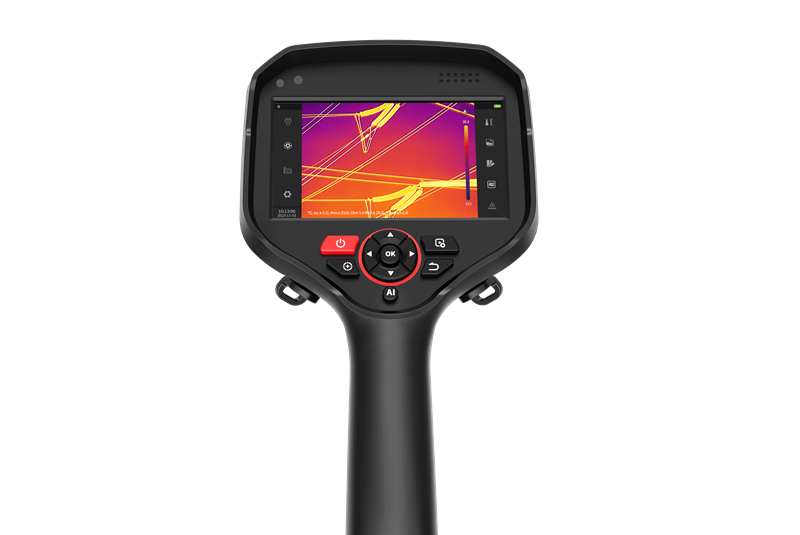
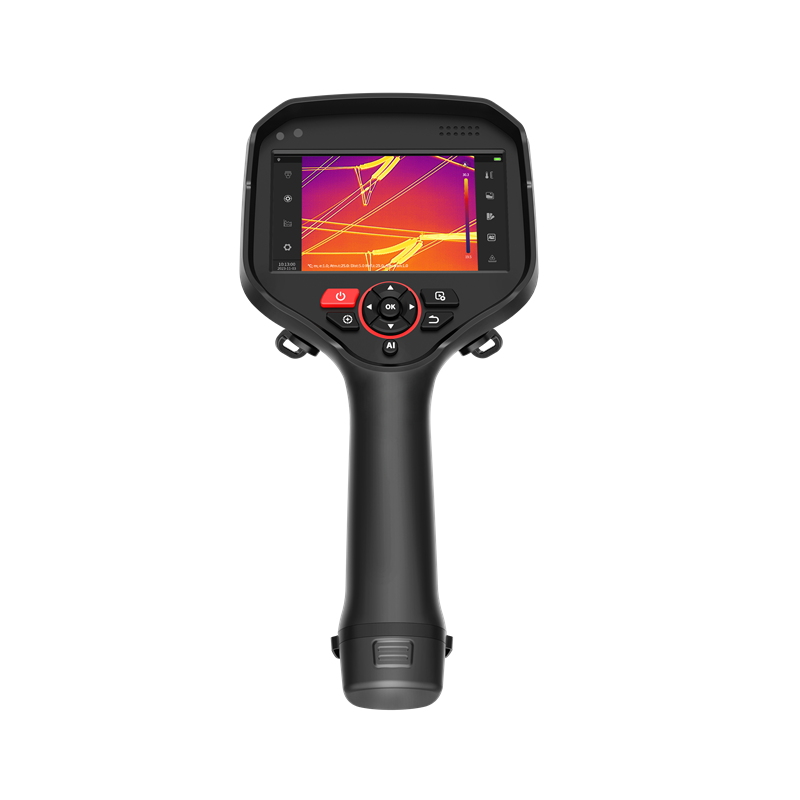
First and foremost, thermal imagers are indispensable in construction. They revolutionize how professionals find hidden flaws and ensure structural safety across project lifecycles. Secara khusus, these devices capture infrared radiation and turn it into visible thermal patterns, revealing invisible temperature variations. Akhirnya, this capability lets teams detect issues early, cut rework costs, and maintain strict quality control.
1、Detecting Insulation Deficiencies for Energy Efficiency
One of the most impactful applications of thermal imagers lies in assessing building insulation. During this process, workers scan walls, ceilings and floors during and after insulation installation. Thermal patterns clearly show gaps, cracks or uneven areas—spots that let heat escape in cold weather or seep in when it’s hot. Contohnya, a thermal imager can find missing insulation behind walls, eliminating the need for destructive testing. Akibatnya, fixing these issues promptly helps meet energy standards, lowering long-term operational costs and reducing carbon footprints.
2、Identifying Electrical and Mechanical Faults
Beyond insulation checks, thermal imagers also play a critical role in inspecting electrical and mechanical systems on construction sites. In practice, faulty or overloaded components like wiring, circuit breakers and transformers generate excess heat. A thermal imager effectively pinpoints these hotspots before they cause shorts, fires or equipment failures. Similarly, when examining HVAC systems or plumbing, the devices spot abnormal temperature changes that signal leaks, blockages or inefficient operation. By addressing these issues early, this proactive inspection prevents costly downtime and protects workers from hazards like electrical shocks.
3、Monitoring Structural Health and Moisture Intrusion
Another critical role of thermal imagers is monitoring structural health, especially when it comes to moisture intrusion. Moisture intrusion directly threatens construction quality, as it often leads to mold growth, wood rot and structural degradation. Yang penting, thermal imagers excel at finding hidden moisture because wet materials retain heat differently than dry ones, creating distinct temperature contrasts. Teams regularly use them to scan roofs, walls and foundations for leaks during and after rainfall. Selain itu, the devices assist in monitoring structural stability by identifying uneven heat distribution in concrete or steel—an early sign of stress or poor curing. With this real-time insight, engineers can make timely adjustments to ensure structures remain safe and durable.
Keseluruhannya, thermal imagers have transformed quality control, safety and efficiency in the construction industry. By uncovering hidden issues—from insulation gaps to electrical faults and moisture—they enable teams to address problems early, reduce unnecessary costs and deliver safer, more durable buildings. Looking ahead, as construction standards grow increasingly stricter, thermal imagers will remain essential tools for professionals committed to upholding high standards of excellence.