
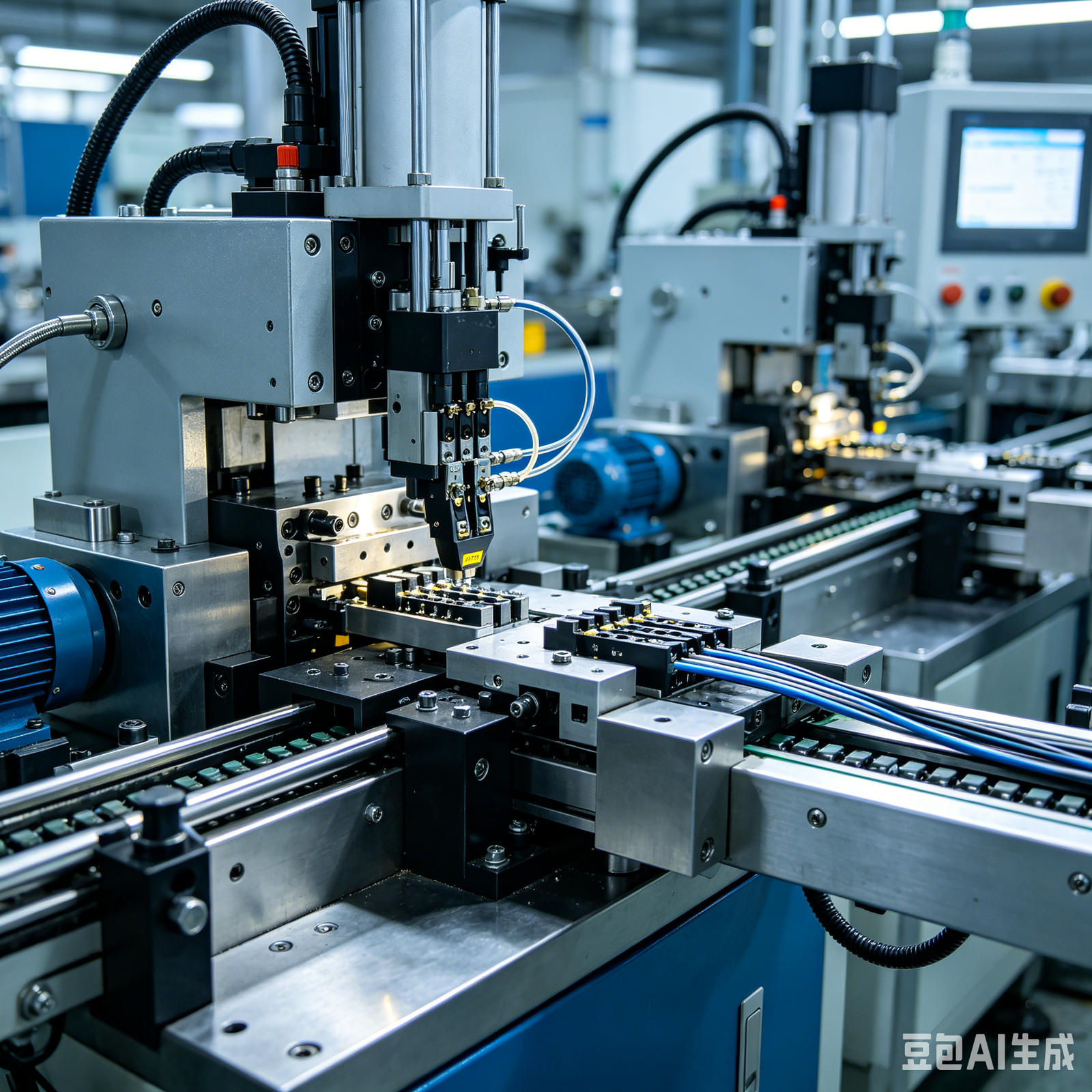
Máy đầu cuối dây nịt tự động là một điều kỳ diệu về độ chính xác cơ học—cho đến khi nó ngừng tạo ra những nếp gấp tốt. Dây bị kẹt. Các dải thiết bị đầu cuối. Chiều cao uốn trôi ra khỏi thông số kỹ thuật. Và đột nhiên một cỗ máy chạy hàng nghìn dây mỗi giờ lại trở thành một dự án xử lý sự cố.
Sau khi setup và sửa chữa hàng chục chiếc máy này, Tôi đã học được rằng hầu hết các vấn đề không phải là vấn đề máy móc. Chúng là điện: gợn sóng cung cấp điện ảnh hưởng đến ổ đĩa servo, tiếng ồn cảm biến gây ra kẹt giấy sai, hoặc cáp bị mòn gây ra tín hiệu không liên tục.
Sự cố về điện làm dừng máy dây
Gợn sóng cung cấp điện servo là kẻ giết người uốn ẩn. Ổ đĩa servo cần DC sạch để giữ vị trí. Khi bộ chỉnh lưu nguồn điện bị cũ hoặc tụ điện bị khô, điện áp gợn sóng tăng. Biến tần phản ứng bằng cách phối màu động cơ, thay đổi chiều cao uốn vài phần nghìn inch. Người vận hành thấy kết quả kéo thử không nhất quán và đổ lỗi cho dụng cụ, nhưng nguyên nhân cốt lõi là ở nguồn điện.
Nhiễu cảm biến gây kẹt giấy ảo. Cảm biến quang học để xác định sự hiện diện của dây và căn chỉnh đầu cuối hoạt động trên các tín hiệu dòng điện nhỏ. Khi cáp động cơ liền kề gây ra tiếng ồn, cảm biến kích hoạt ngẫu nhiên. Máy dừng với lỗi “thiếu dây” dù vẫn còn dây. Cách khắc phục là sử dụng cáp cảm biến được che chắn với tấm chắn chỉ được nối đất ở đầu bộ điều khiển, và định tuyến dây cảm biến cách xa cáp nguồn.
Các vấn đề về nguồn cấp dữ liệu đầu cuối thường bắt nguồn từ bộ điện từ của nguồn cấp dữ liệu. Một điện từ rơi ra sớm vì nó 24 Nguồn V tụt xuống dưới tải khiến thiết bị đầu cuối được cấp nguồn một nửa. Máy cố gắng gấp nếp, nghiền nát thiết bị đầu cuối, và mứt. Giám sát điện áp điện từ trong quá trình vận hành bằng máy hiện sóng lưu trữ cho thấy độ võng. Một tụ điện lưu trữ cục bộ hoặc một nguồn điện chuyên dụng cho bộ điện từ cấp nguồn sẽ giải quyết được vấn đề đó.
Giới thiệu sản phẩm: Máy đầu cuối được chế tạo để đảm bảo độ tin cậy
Máy đầu cuối bó dây tự động được thiết kế tốt bắt đầu với kiến trúc nguồn. Bộ truyền động servo chính cho cơ cấu uốn phải có nguồn điện riêng, tách biệt khỏi nguồn cung cấp logic cho PLC và cảm biến. Nguồn cung cấp servo phải được định mức ít nhất gấp đôi dòng điện cực đại để xử lý sự khởi động trong quá trình tăng tốc. Một điện trở tái tạo bên ngoài tiêu tán năng lượng hãm để nguồn cung cấp không bị ngắt khi quá điện áp.
Bộ giám sát lực uốn là cảm biến quan trọng nhất. Thay vì chỉ dựa vào chiều cao uốn, một bộ giám sát lực sẽ lấy mẫu dạng sóng lực trong chu kỳ uốn. Nó so sánh dạng sóng với một hồ sơ vàng được lưu trữ. Dây bị thiếu hoặc thiết bị đầu cuối quá khổ sẽ làm thay đổi dạng sóng, và máy sẽ loại bỏ dây trước khi dây bị uốn xấu đến tay khách hàng. Lực lượng giám sát tiết kiệm được nhiều hơn chi phí khi tránh được sự cố tại hiện trường.
Hệ thống cấp liệu đầu cuối cần một bộ cấp liệu có mô-men xoắn không đổi. Bộ cấp liệu được dẫn động bằng bước có tính năng phát hiện ngừng hoạt động vòng kín có độ tin cậy cao hơn so với các thiết kế vận hành bằng khí nén hoặc hoạt động bằng điện từ. Bộ nạp phải có bộ căng lò xo và cảm biến phát hiện khi dải đầu cuối hết. Cảm biến đó phản hồi lại bộ điều khiển máy, có thể dừng và yêu cầu một cuộn phim mới mà không làm hỏng một số thiết bị đầu cuối cuối cùng.
Máy duỗi dây thường bị bỏ qua. Dây bị uốn cong vĩnh viễn sẽ dẫn điện kém. Một chiếc máy tốt bao gồm một bộ con lăn có thể điều chỉnh được để làm thẳng dây trước khi nó đến trạm dải và trạm uốn. Máy ép tóc nên có phần điều chỉnh riêng cho trục X và Y.
Chẩn đoán người dùng tách biệt một máy có thể sử dụng được với một máy gây khó chịu. HMI sẽ hiển thị đường cong lực theo thời gian thực, dòng điện servo, và trạng thái cảm biến. Khi xảy ra kẹt giấy, HMI sẽ hiển thị một bức ảnh hoặc sơ đồ hiển thị chính xác vị trí bị kẹt và những gì cần kiểm tra. Nhật ký lịch sử ghi lại lần cuối cùng 500 sự kiện, bao gồm các giá trị lực, độ cao uốn, và mã lỗi.
Khi những yếu tố này kết hợp với nhau, máy đầu cuối dây nịt tự động chạy với sự can thiệp tối thiểu. Thay đổi thiết lập mất vài phút. Chất lượng uốn vẫn ổn định qua các ca. Và khi có điều gì đó không ổn, cái máy sẽ cho bạn biết cái gì và ở đâu.
Để biết thêm thông tin, thăm nom Jetronltrang web của: https://www.jetronlinstrument.com/.